
What Is Used CNC Machinery Actually Worth?
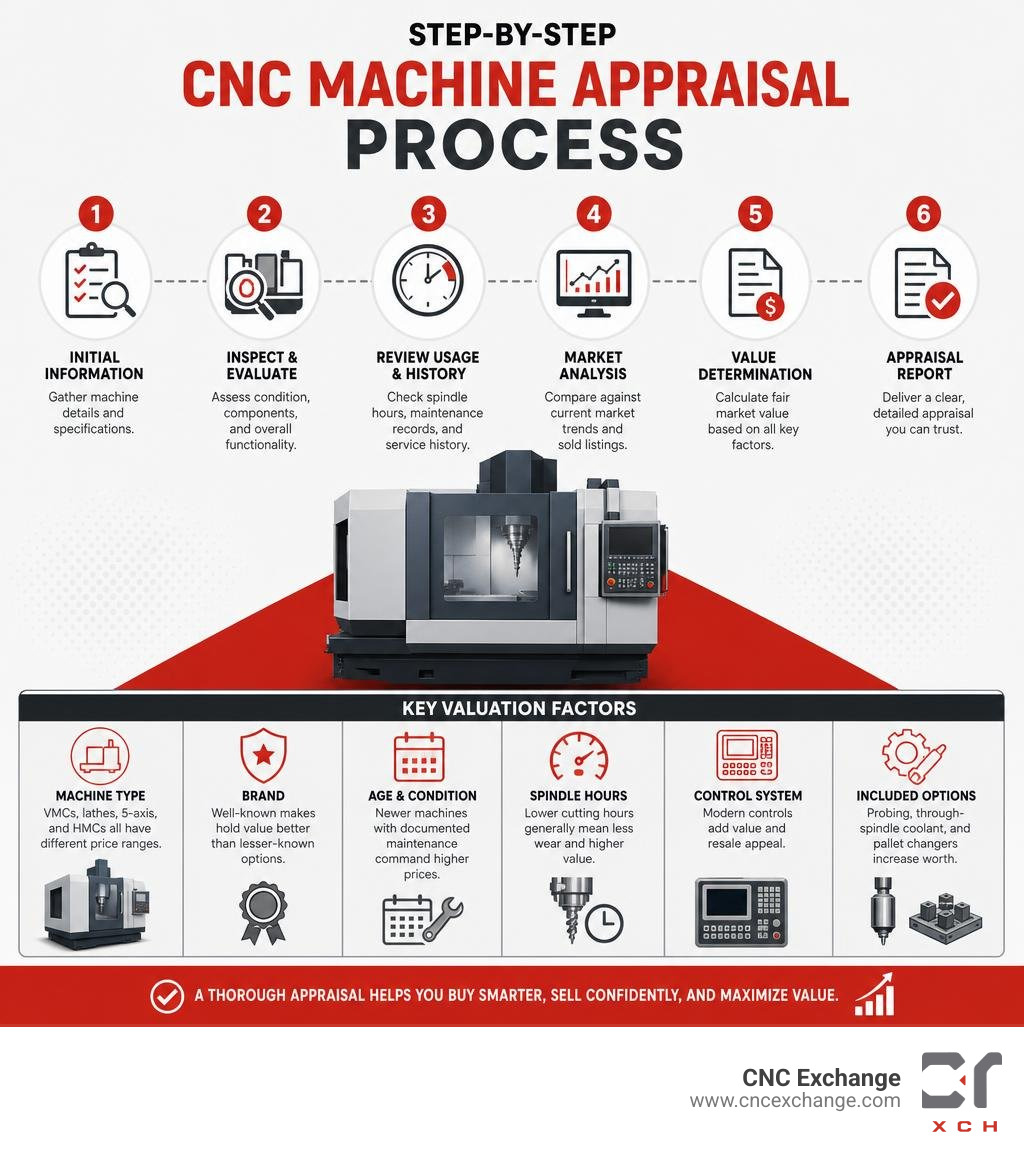
If you're trying to value used CNC machinery, here's a quick breakdown of what drives price:
| Factor | What It Means for Value |
|---|---|
| Machine type | VMCs, lathes, 5-axis, and HMCs all have different price ranges |
| Brand | Haas, Mazak, Okuma, and DMG Mori hold value better than lesser-known makes |
| Age and condition | Newer machines with documented maintenance command higher prices |
| Spindle hours | Lower cutting hours generally mean less wear and higher value |
| Control system | Modern controls (Fanuc, Mazatrol, Siemens) add value and resale appeal |
| Included options | Probing, through-spindle coolant, and pallet changers increase worth |
As a general guide, used CNC machine prices range roughly as follows:
- Small VMCs: $8,000 – $35,000
- Mid-range VMCs: $20,000 – $80,000
- CNC lathes: $15,000 – $150,000
- Horizontal machining centers: $50,000 – $250,000+
- 5-axis machines: $75,000 – $500,000+
Whether you're buying, selling, or simply trying to understand what your shop floor assets are worth, used CNC machinery is rarely straightforward to value. Prices can swing wildly — two machines that look identical on paper can differ by tens of thousands of dollars based on maintenance history, control vintage, or included tooling.
For manufacturing business owners, this creates a real problem. You may be sitting on equipment worth far more (or less) than you think. Or you're shopping for a replacement machine and unsure whether the asking price is fair.
Getting this wrong is expensive. Overpay for a machine and you eat into your margins before a single part is cut. Undersell your equipment and you leave capital on the table that could fund your next upgrade.
This guide cuts through the confusion. It covers how machines are valued, what specifications matter most, how formal appraisals work, and what pricing looks like across different machine types — so you can make decisions with confidence.
Navigating the Market for Used CNC Machinery
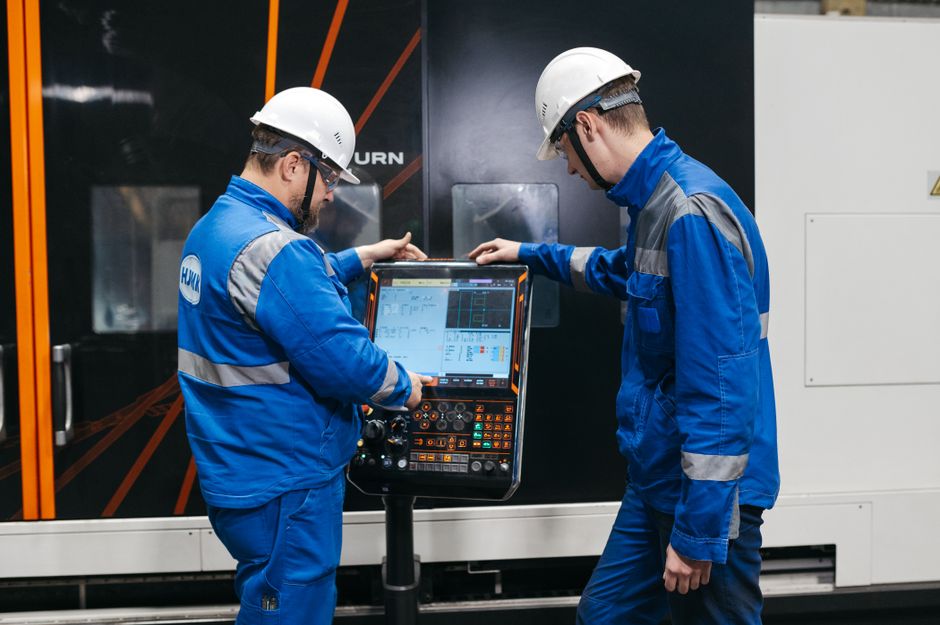
The secondary market for manufacturing equipment is incredibly active. Every day, shops upgrade their capabilities, downsize, or pivot to new product lines, releasing high-quality machinery back into the wild. If you are looking to expand your shop's footprint without taking on the massive depreciation hit of a brand-new machine, browsing Used CNC Machines for Sale - CNC Exchange is the logical first step.
However, navigating this landscape requires a solid understanding of the different machine families and how they align with your production goals. The primary categories we deal with daily include:
- CNC Lathes & Turning Centers: The bread and butter of cylindrical part manufacturing. These range from simple 2-axis lathes to multi-axis turning centers featuring live tooling, sub-spindles, and Y-axis capabilities.
- Vertical Machining Centers (VMCs): The workhorse of the modern job shop. VMCs feature a vertical spindle and are highly versatile, cost-effective, and relatively easy to program.
- Horizontal Machining Centers (HMCs): Built for high-volume production and heavy material removal. HMCs utilize a horizontal spindle and typically feature integrated pallet changers to keep the spindle running while parts are loaded.
- 5-Axis Machining Centers: The pinnacle of complex geometry. By moving cutting tools across five different axes simultaneously, these machines reduce setups, eliminate human error, and are highly sought after in aerospace and medical manufacturing.
To learn more about the broader market landscape, you can also check out our presence on major industry platforms like CNC EXCHANGE - MachineTools.com and read our industry insights on CNC Exchange | Used CNC Machine Sales .
Understanding Swiss-Type and Lathe Capabilities
When precision is measured in microns and parts are small, standard lathes won't cut it. That is where Swiss-type turning centers (or Swiss screw machines) come into play. Unlike a conventional lathe where the workpiece is held fixed in a chuck, a Swiss machine utilizes a sliding headstock. The bar stock feeds through a guide bushing, meaning the cutting action always takes place incredibly close to the support point.
This design virtually eliminates deflection, allowing you to turn long, slender parts with unmatched dimensional stability. If you are looking to step up your small-part production, learning how to spot the right setup is crucial. You can dive deeper into this by reading our guide on Identifying High Performance Swiss Screw Setups.
Of course, Swiss machines require a different operational mindset. They are highly complex, often running dual spindles and dozens of tools simultaneously. If space is tight in your facility, you'll need to plan carefully; fortunately, we have mapped out strategies for Running Swiss Screw Machines in Small Spaces to help you maximize floor efficiency.
When deciding between major Swiss builders, it often comes down to a battle of the titans. Understanding the nuances of different brands is key, and we break down these differences in our comparison of Understanding Citizen vs Star Machine Capabilities. If you are still on the fence about whether a traditional lathe or a Swiss setup is right for your workflow, take a moment to ask yourself the right questions by reviewing our checklist on Questioning Used CNC Lathe Purchase.
Comparing Vertical and Horizontal Machining Centers
Choosing between a VMC and an HMC is one of the most significant architectural decisions a machine shop can make. While both cut metal exceptionally well, they do so with entirely different philosophies.
VMCs are favored for their lower initial cost, ease of setup, and clear visibility of the work area. They are perfect for prototyping, short runs, and parts that primarily require single-face machining. However, they suffer from one major bottleneck: chip evacuation. Because gravity pulls chips down into the cutting pocket, operators must rely heavily on coolant pressure to wash them away, or risk recutting chips and breaking tools.
HMCs solve this problem elegantly. Because the spindle is horizontal, gravity works in your favor. Chips fall away from the part naturally, dropping straight down into the chip conveyor. Furthermore, almost all production-class HMCs feature a tombstone fixture on a rotary pallet changer. This allows the operator to load raw material on Pallet A while the machine is actively cutting parts on Pallet B. The result is drastically higher spindle utilization rates, making HMCs the king of high-volume, unattended production.
Key Factors That Determine Machine Value
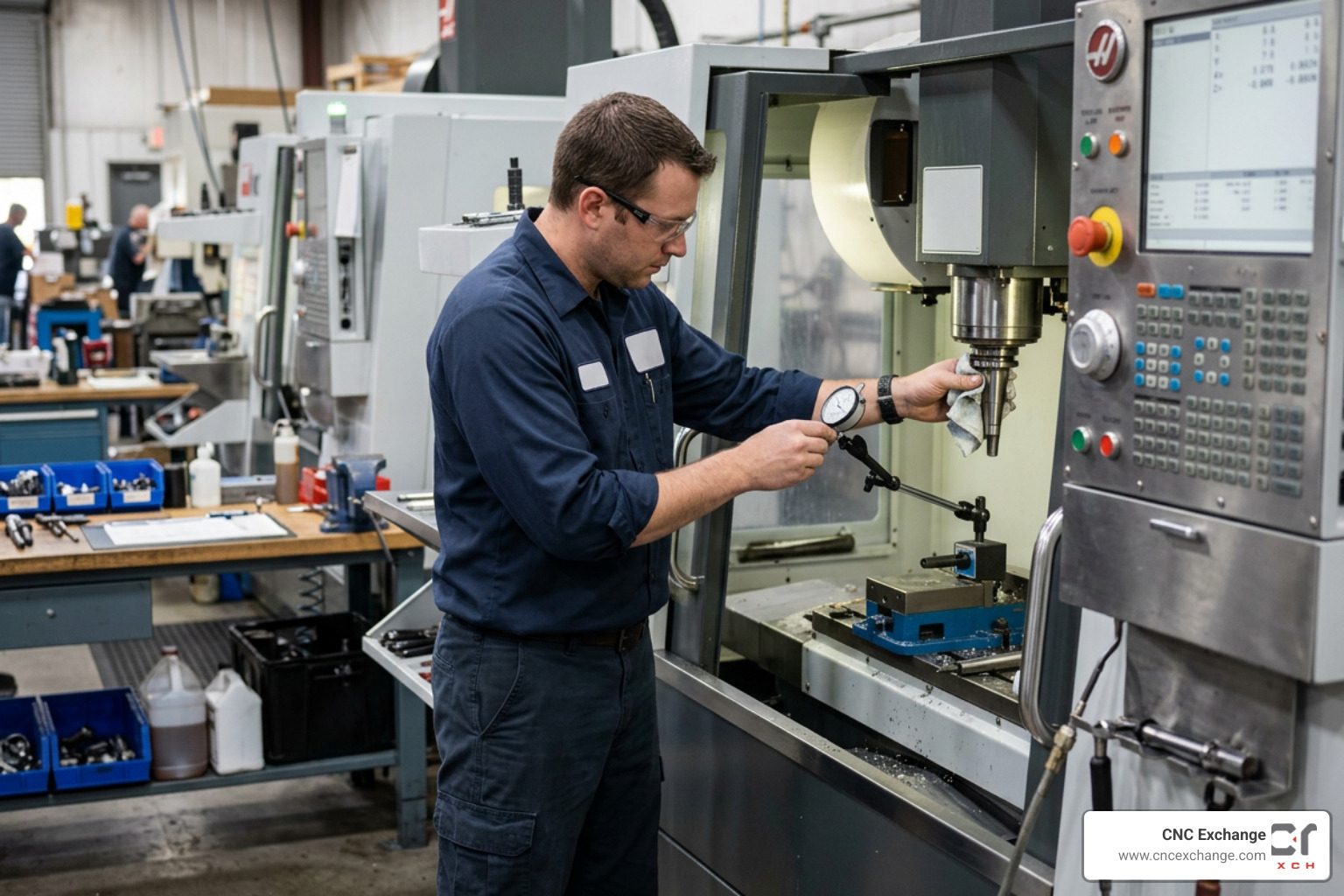
When we appraise used CNC machinery, we look past the fresh coat of paint and dig into the mechanical reality of the asset. Several core pillars dictate what a machine is worth in today's market.
Brand reputation plays a massive role. Builders like Haas are highly valued for their massive user base, readily available spare parts, and intuitive controls. On the higher end, Japanese and European builders like Mazak, Okuma, and DMG Mori command premium prices because of their heavy cast-iron frames, thermal stability, and exceptional longevity. Brands like Doosan (now rebranded as DN Solutions) represent an excellent middle ground, offering robust box-way construction and reliable performance at a highly competitive price point.
Spindle Hours and Maintenance History of Used CNC Machinery
Think of spindle hours like the odometer on a used car. However, just like a car, highway miles are much easier on the engine than city driving. A machine that has spent 10,000 hours cutting soft aluminum in a clean medical facility is likely in much better shape than a machine that spent 5,000 hours hogging out hardened tool steel with poor coolant filtration.
This is why documented maintenance history is the holy grail of machine valuation. Regular oil changes, way lube inspections, and spindle vibration analysis reports can double the resale value of a machine. Without these records, buyers must assume the worst. Over time, lack of maintenance leads to ballscrew wear, axis backlash, and spindle bearing degradation.
If you want to maximize your return on investment, preventative care is non-negotiable. Check out our expert tips on Extending the Life of Milling Machine to keep your spindle running smoothly. And if you are looking at specific brands on the secondary market, make sure you know what to look for—such as our technical breakdown on Inspecting Used Mori Seiki Lathes.
Control Systems and Technical Specifications
A CNC machine is only as good as the brain controlling it. The vintage and brand of the control system heavily influence the value of used CNC machinery.
- Fanuc: The global industry standard. Fanuc controls are legendary for their reliability and are supported by the largest network of independent technicians in the world.
- Mazatrol: Mazak's proprietary conversational control. It allows operators to program complex parts directly at the machine without needing external CAM software, which is a massive selling point for job shops.
- Siemens: Known for high-speed processing and advanced multi-axis path optimization, making it a favorite on premium European 5-axis machines.
Beyond the control, physical specifications like axis travel (X, Y, and Z limits), tool changer capacity (e.g., 24-station side-mount vs. 60-position chain style), and integrated probing systems (like Renishaw) add substantial value. Probing systems, in particular, save hours of setup time by automatically locating part offsets and measuring tool wear.
If you are evaluating a potential Haas purchase, we have compiled a highly detailed guide on Pre Purchase Inspection Points for Used Haas Equipment. Additionally, it is worth noting that even premium brands have operational quirks; for example, understanding Why Mazak Machines May Falter During Long Batch Runs can save you from unexpected downtime down the road.
The Financials: Pricing and Appraisals
When banks, insurance companies, or business owners need to know the exact dollar value of their capital assets, they turn to certified machinery appraisals. Appraisals are not guesses; they are highly structured financial documents compliant with the Uniform Standards of Professional Appraisal Practice (USPAP).
There are three primary values calculated during an appraisal:
- Fair Market Value (FMV): The estimated amount for which an asset should exchange between a willing buyer and a willing seller, neither being under compulsion to buy or sell.
- Orderly Liquidation Value (OLV): The gross amount that could be realized from a liquidated sale, given a reasonable period to find a purchaser (typically 3 to 6 months).
- Forced Liquidation Value (FLV): The "fire sale" price. This is what the machinery would bring at an immediate, unreserved public auction.
Understanding the True Cost of Used CNC Machinery
The sticker price of a used machine is only a portion of the total investment. To avoid a nasty case of buyer's remorse, you must calculate the "landed and operational" cost. We dive deep into these hidden expenses in our article on the True Cost of Used CNC Machines for Sale.
To help you visualize these costs, let's look at what a typical transaction actually looks like when you factor in the logistics:
| Expense Category | Estimated Cost Range | Description |
|---|---|---|
| Rigging & Loading | $1,500 – $5,000 | Professional riggers to safely lift and load the machine onto a flatbed. |
| Heavy Freight Shipping | $2,000 – $8,000 | Specialized transport, often requiring permit loads for wide or heavy machines. |
| Foundation & Utilities | $1,000 – $10,000 | Pouring reinforced concrete pads or running high-amperage 3-phase power. |
| Rigging & Unloading | $1,500 – $5,000 | Rigging services at your facility to position the machine in your bay. |
| Leveling & Calibration | $1,000 – $3,000 | Precision alignment, geometry checks, and ballbar testing to ensure accuracy. |
| Tooling & Workholding | $2,000 – $15,000+ | Buying CAT40 tool holders, pull studs, vises, collets, and cutting tools. |
To minimize shipping costs and ensure smooth logistics, it is always wise to work with an experienced partner who can coordinate regional rigging and transport. At CNC Exchange, we help coordinate these logistics to make sure your machine arrives safely and cost-effectively, helping you navigate regional logistics support and local inventory options.
Frequently Asked Questions about CNC Appraisals
How do I determine the fair market value of my CNC machine?
Determining the fair market value of your used CNC machinery requires a mix of historical sales data, current market demand, and a physical assessment of the machine's condition.
While online listing prices give you a starting point, they represent what sellers want, not necessarily what they get. A true valuation looks at comparable sales (comps) of similar models with identical options that have sold recently. Optional accessories, such as a 4th-axis rotary table, high-pressure through-spindle coolant, or chip conveyors, can easily swing the value by $10,000 or more.
When is the right time to sell or trade in my equipment?
The best time to sell is when the machine is still under power and running parts. Buyers are naturally skeptical of machines sitting in cold storage or disconnected in a warehouse corner. Being able to demonstrate a test cut or run a spindle sweep live for a prospective buyer adds immense confidence to the sale.
Additionally, timing your sale with your business cycles is critical. If you are planning a major technology upgrade, selling your older assets before the new ones arrive keeps your cash flow healthy. For a deeper look into market timing and maximizing your asset recovery, read our guide on the Right Time to Sell Used CNC Machines.
What is the difference between spindle hours and power-on hours?
This is a critical distinction that catches many first-time buyers off guard:
- Power-On Hours: The total time the machine's control system has been turned on. This includes time spent idling, programming, waiting for setups, or sitting warm overnight.
- Spindle Hours (or Cut Time): The actual duration the spindle was rotating and cutting material.
A machine might show 20,000 power-on hours but only 4,000 spindle hours. This indicates the machine spent a lot of time waiting for setups or running short prototypes—meaning the mechanical components (like the linear guides and ballscrews) have far less physical wear than the power-on clock suggests.
Additional Machine Types to Keep on Your Radar
While VMCs and lathes dominate most shop floors, specialized fabrication and cutting equipment hold significant value in the secondary market. If your shop is expanding into sheet metal, plate fabrication, or woodworking, you'll likely encounter these machine types:
- CNC Plasma Cutting Tables: Incredible for rapid plate cutting and structural steel fabrication. If you are shopping for one of these systems, make sure you know What to Look for in a CNC Plasma Cutting Table.
- CNC Routers: Popular for processing plastics, wood, and non-ferrous metals over large envelopes. We demystify the entry costs and professional models in our guide Demystifying the 4x8 CNC Router Price for Hobbyists and Pros.
As you bring in different machine types, floor space layout becomes an art form. Managing a floor with multiple controller languages and physical footprints can be challenging. To keep your operations running smoothly and safely, we recommend reading our strategies on Tips for Organizing Multi Brand CNC Equipment Layouts and brushing up on our 5 Must Know Tips for Machine Shop Safety.
Conclusion
Managing your machine shop's assets is an ongoing balancing act. Keeping older, paid-off machines on the floor can feel safe, but they may be holding your cycle times back and costing you money in maintenance. Conversely, jumping into a brand-new machine lock, stock, and barrel can put an unnecessary strain on your monthly cash flow.
Buying and selling high-quality used CNC machinery is the ultimate way to bridge this gap. It allows you to inject advanced manufacturing capabilities into your workflow at a fraction of the cost of new equipment, while extracting maximum fair market value from the assets you've outgrown.
At CNC Exchange, we make this transition seamless. Operating out of our headquarters in Prospect Heights, Illinois, we are dedicated to helping manufacturers buy, sell, and auction equipment with absolute transparency. Whether you need a certified appraisal for your bank, are looking to liquidate an entire facility, or simply want to find your next reliable vertical mill, we have the expertise to guide you through every step of the process.
Ready to find out what your equipment is worth or looking to upgrade your shop floor? Talk to Our Machine Tool Experts Today - CNC Exchange or explore our full suite of asset management options on our CNC Exchange Services Page. Let's get your shop running at peak efficiency.